




GLP-4TE Active Phase 1
Signal First. Weight Loss Support Follows.
GLP-4TE is the Activation Phase formulation within the DesBio Weight & Metabolic System, designed to support structured, practitioner-guided weight support through coordinated metabolic and appetite signaling.
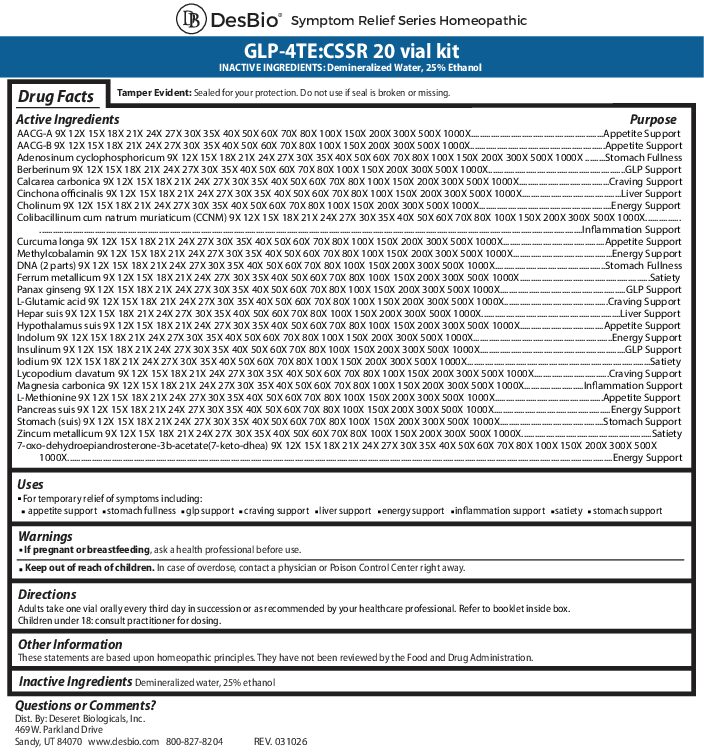
GLP-4TE CSSR is a multi-potency homeopathic formula containing 26 active ingredients prepared across 20 dilution potencies (9X–1000X). For the complete ingredient list, see the full GLP-4TE CSSR product page.
Inactive IngredientsDemineralized water, 25% ethanol.
UsesFor the temporary relief of symptoms including: appetite support, stomach fullness, GLP support, craving support, liver support, energy support, inflammation support, and satiety.
WarningsIf pregnant or breastfeeding, ask a health professional before use. Keep out of reach of children. In case of overdose, contact a physician or Poison Control Center right away.
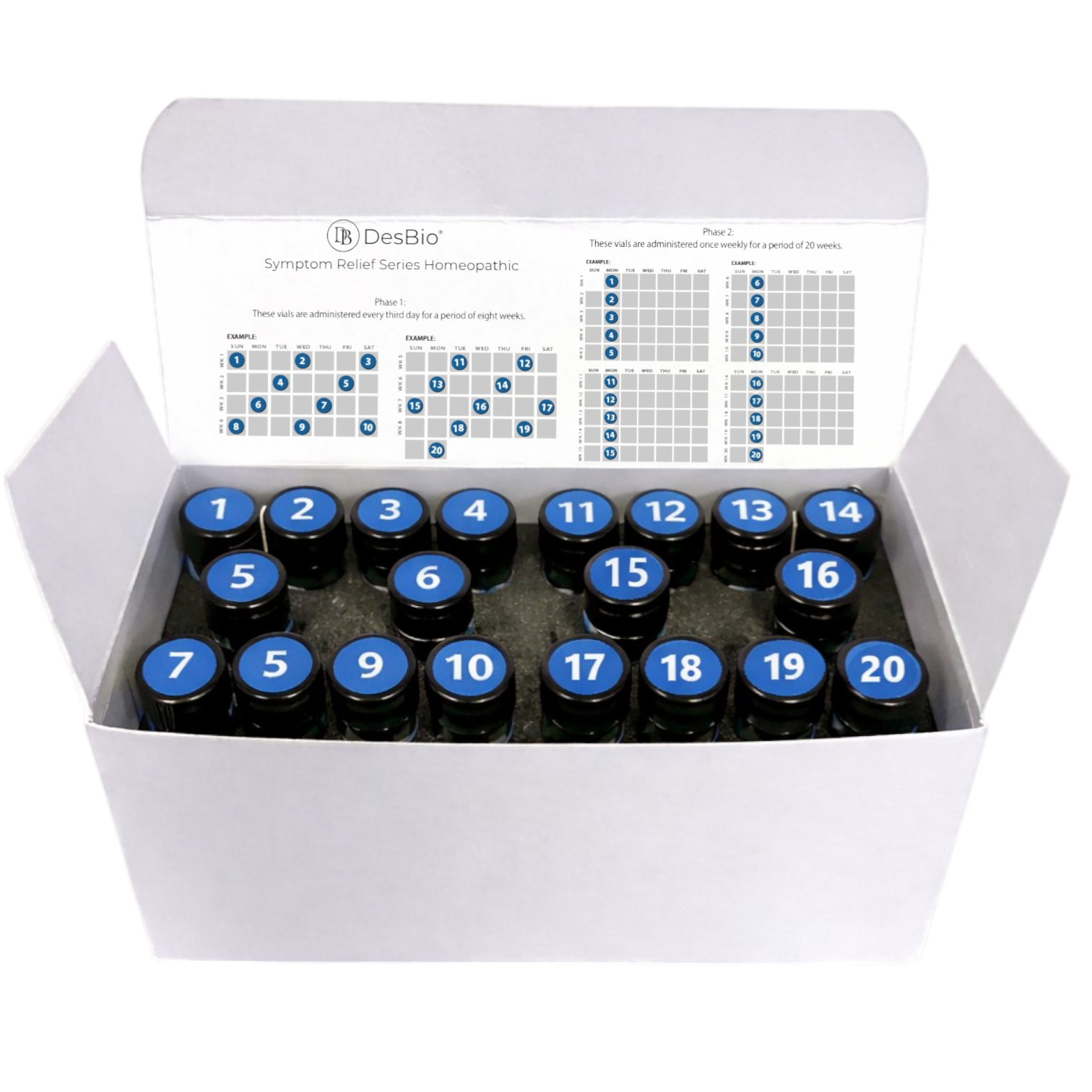
Dosage & DirectionsFormat: 20-vial box (vials 1–20)
Adults: Take one vial orally every third day in succession, or as recommended by your healthcare professional. Refer to booklet inside box.
Children under 18: Consult practitioner for dosing.
 Dosage & Directions
Supply: 30-day supply per bottle
Directions: 10 drops, 3 times daily under the tongue, or as directed by a health professional.
Note: Consult a physician for use in children under 12 years of age.
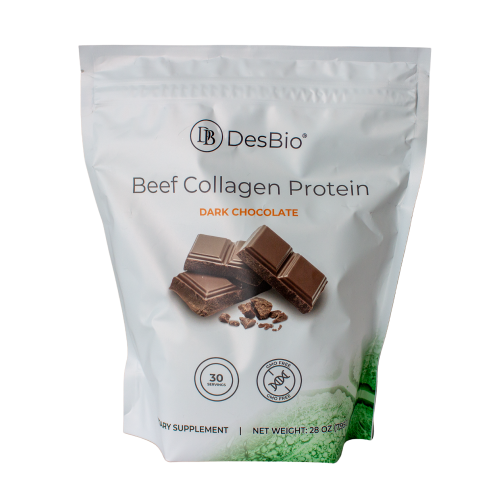
Beef stock collagen, cocoa, and monk fruit extract.
Supplement Facts — Per Serving| Nutrient | Per Serving | % DV |
|---|---|---|
| Calories | 100 | — |
| Total Fat | 0.5 g | <1%† |
| Total Carbohydrate | 2 g | <1%† |
| Dietary Fiber | 1 g | 4%† |
| Protein | 21 g | — |
| Iron | 1.7 mg | 9% |
| Sodium | 230 mg | 10% |
| Potassium | 300 mg | 6% |
† Percent daily values based on a 2,000 calorie diet.
Amino Acid Profile Per Serving| Amino Acid | Amount | Amino Acid | Amount |
|---|---|---|---|
| Alanine | 1,818.70 mg | Lysine | 831.91 mg |
| Arginine | 1,541.10 mg | Methionine | 206.23 mg |
| Aspartic Acid | 1,333.29 mg | Phenylalanine | 544.24 mg |
| Cystine | 31.72 mg | Proline | 2,542.01 mg |
| Glutamic Acid | 2,429.68 mg | Serine | 716.36 mg |
| Glycine | 4,259.73 mg | Threonine | 493.50 mg |
| Histidine | 233.73 mg | Tryptophan | 55.92 mg |
| Isoleucine | 382.84 mg | Tyrosine | 271.83 mg |
| Leucine | 840.27 mg | Valine | 619.78 mg |
Serving Size: 1 Scoop (26.5 g)
Servings Per Bag: 30
Directions: Add one scoop to 8–12 fl oz cold water and mix well.
$351.89
Login to purchase or request recommendation.
If you do not have a DesBio practitioner, click here.
A Multi-Pathway Approach to Weight Support
Rather than targeting a single pathway, GLP-4TE CSSR integrates four DNA-based informational sequences to support communication across appetite, satiety, insulin, leptin, and central neuroendocrine networks. This expanded "4TE" architecture — phonetically "forte" — reflects a strengthened, multi-layered approach that moves beyond peptide-focused strategies alone.
- Supports appetite and satiety signaling pathways
- Assists metabolic adaptation during active weight change
- Supports neuroendocrine communication related to energy balance
- Supports stress-related interference in weight adaptation
- Supports preservation of lean tissue during caloric recalibration

→ Four coordinated sequences. One integrated approach to metabolic and appetite support.
What's Included
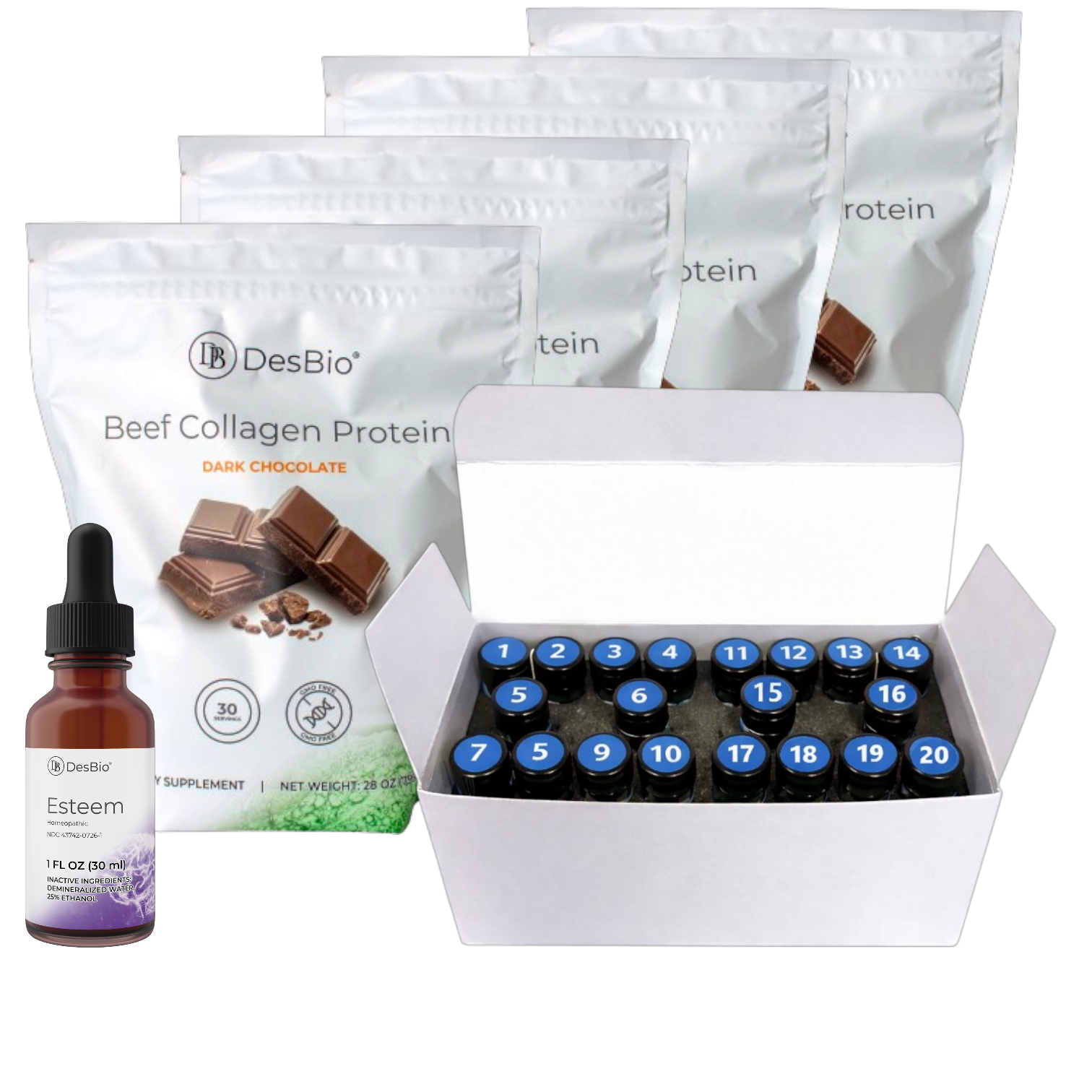
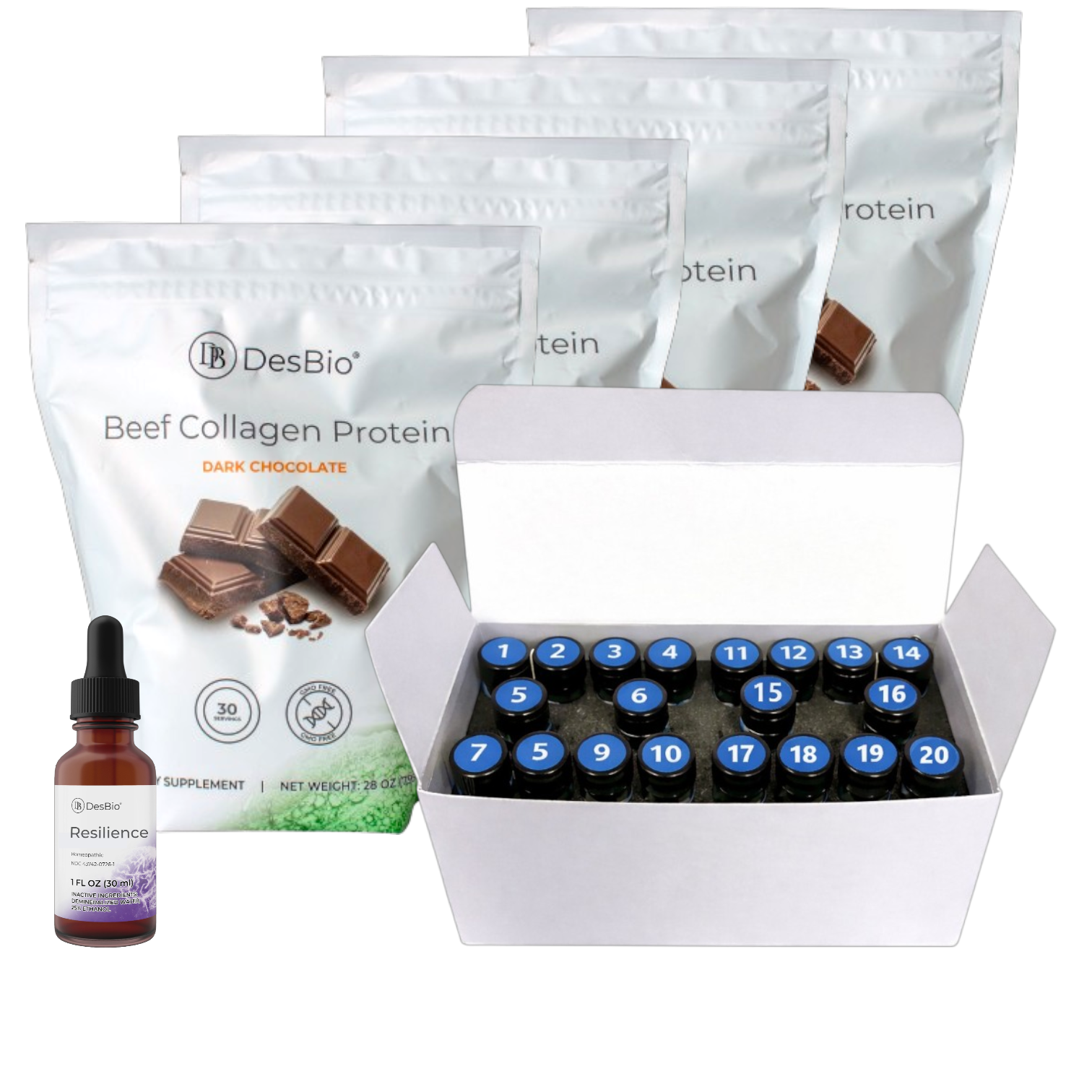
The CSSR Weight System Contains:
The GLP-4TE Activation Phase 1 Kit was developed to address a clinical gap: patients who require structured signaling support during active weight change rather than caloric manipulation alone.
GLP-4TE CSSR
Supports appetite and metabolic signaling through four integrated DNA-based informational sequences.
- Supports GLP-related signaling pathways
- Supports insulin and leptin communication
- Supports hypothalamic appetite integration
- Supports coordinated metabolic response
- Incorporates the DNA sequencing used in the ha2cg program

Shame
Supports emotional patterns commonly tied to weight challenges — guilt, self-judgment, stress eating, and the shame that often accompanies body image struggles.
- Supports processing of stored emotional patterns related to self-judgment
- Assists emotional resilience during active weight change
- Supports mental-emotional stability when appetite and habits are shifting
- Addresses the emotional terrain often overlooked in physical weight protocols
Hydrolyzed Beef Protein
Supports nutritional stability during active weight change.
- Just 3 ingredients — no fillers
- Supports lean tissue preservation
- Assists satiety and metabolic stability
- Supports compliance when appetite is reduced
- 21g clean protein per serving from beef stock collagen
- Sweetened with monk fruit and cocoa
Why Choose the DesBio Weight & Metabolic System

Physical, Emotional & Energetic Support — In One Protocol
Most weight protocols address only the physical layer. This system integrates metabolic signaling, emotional terrain, and nutritional stability — the three layers most commonly driving resistance.
Works With the Body — Not Against It
This is not a stimulant-based or suppression-based approach. The CSSR model works by supporting the body's own regulatory signals — appetite, satiety, set-point, and stress adaptation.
Built for Clinical Use — by Practitioners, for Practitioners
Every component was selected to address what clinicians actually encounter: compliance barriers, emotional resistance, and the nutritional gap that makes most active weight protocols unsustainable.
Three Products. One Cohesive Protocol.
No redundancy, no filler. Each product in the kit was chosen because it addresses a distinct layer of weight resistance — and because the three work better together than any one works alone.
Primary Clinical Benefits
Supports Central Neuroendocrine Appetite Signaling
Appetite and satiety are regulated by coordinated signaling between the hypothalamus, peripheral hormones, and reward pathways. Central nervous system control of food intake is multifactorial and adaptive rather than singularly hormonal.[1][2][5] GLP-4TE is designed to support this integrated signaling environment rather than targeting a single receptor pathway.
Supports Gut–Brain Axis Communication
Emerging research confirms that appetite and eating behavior are regulated through bidirectional signaling between the gastrointestinal system and central nervous system.[3][4] By supporting appetite-related signaling pathways, this formulation is positioned to complement the gut–brain communication network involved in satiety and food behavior.
Supports Set-Point Adaptation & Weight Stability Mechanisms
Body weight appears to be influenced by adaptive "set-point" or "settling point" mechanisms involving genetic, neuroendocrine, and environmental inputs.[3][6][8][9] Clinical weight resistance and rebound may reflect regulatory defense mechanisms rather than caloric imbalance alone. This formulation is structured to support signaling pathways associated with adaptive weight regulation.
Supports Neurohormonal Appetite & Satiety Control
Supports Behavioral & Reward Pattern Modulation
Emerging clinical observations suggest that homeopathic approaches may influence eating behaviors in individuals with dysregulated patterns.[7] By integrating mental-emotional support within the Activation Phase, the protocol acknowledges the behavioral component of appetite signaling.
DesBio Weight & Metabolic System — Two Programs, Four Phases
GLP-4TE and SET-4TE are two distinct programs that work within the same system. GLP-4TE supports active weight reduction. SET-4TE supports stabilization and repatterning after the work is done — or when deeper recalibration is needed. Each program stands on its own; together, they address the full arc of sustainable metabolic change.

GLP-4TE CSSR
Active Phase 1
Multi-pathway metabolic signaling support — GLP-related, insulin, leptin, and hypothalamic signaling through four integrated DNA-based informational sequences.
20 vials — one every third day — approx. 8–9 weeks
GLP-4TE CSSR
Active Phase 2
Continued active-phase metabolic signaling support — the 1M and 10M ascending potency sequence for patients continuing toward their weight goal.
20 vials — 1M → 10M sequence

SET-4TE CSSR
Repattern Phase 1
Supports metabolic set-point recalibration, epigenetic memory stabilization, and neurohormonal appetite balance following active weight reduction.
20 vials — one every third day — approx. 8–9 weeks
SET-4TE CSSR
Repattern Phase 2
Deeper repatterning support — the 1M and 10M sequence for patients requiring continued metabolic pattern maintenance and long-term signaling balance.
20 vials — 1M → 10M sequence
Clinical Context
The Hidden Cost of Weight Resistance
Why Willpower Alone Isn't Working
Weight regulation is governed by ongoing communication between the brain, gut, liver, pancreas, hormonal systems, and the nervous system. When this communication is disrupted, the body resists weight loss — even when healthy habits are in place.
80%+
of individuals regain weight lost through traditional dieting, suggesting the body's regulatory set point actively resists sustained change.
StatPearls — Obesity and Set-Point Theory, 2023 [3]
70%
of the immune system resides in the gut — intestinal health, inflammation, and microbiome balance directly influence metabolic signaling and weight.
Gut-Brain Axis Research, Pharmacology Research, 2024 [4]
90%
of serotonin is produced in the gut, meaning digestive disruption directly impacts mood, cravings, emotional eating patterns, and food-related behavior.
NCBI — Neurohormonal Appetite & Satiety Control [5]
"When an individual loses weight, the body triggers increased appetite through modulation of satiety hormones, altered food preferences through behavioral changes, and overcompensated reduction in metabolism to drive the body weight back toward the set-point range."
— StatPearls, Obesity and Set-Point Theory, National Library of Medicine [3]
What to Expect
Progressive Regulation Over Time
Weight support with CSSR follows a gentler, more sustainable pattern. Internal regulation often precedes visible weight support. A goal of approximately 1 lb per week supports the healthiest, most maintainable results.

Weeks 1–3
Users may report changes in how they experience appetite and food cravings during this initial phase. The body begins receiving consistent regulatory signals as the protocol is introduced. Internal regulatory shifts may begin occurring before changes on the scale are observed.
Weeks 4–8
As the protocol continues, appetite signaling may begin to clarify and metabolic response may develop. Emotional patterns around food may begin to shift as regulatory support progresses. The body continues adapting to the new signaling environment.

Weeks 9–28
The transition to 1M and 10M potencies supports deeper regulatory engagement. The body may begin establishing a new metabolic baseline as signaling continues to develop. Esteem replaces Shame, supporting the identity shift that may accompany physical change. Plateaus may precede the next phase of progress.

Goal Achieved
Once weight loss goals are achieved and the Activation Phase is complete, the next phase can begin - supporting the body toward metabolic balance.
Transition to the Next Phase
SET-4TE Repattern Phases 1 & 2 support new patterns and long-term metabolic balance — the natural next step once Activation Phase goals are met.
These statements have not been evaluated by the Food and Drug Administration. This product is not intended to diagnose, treat, cure, or prevent any disease. Individual results may vary with dietary supplements and homeopathic remedies. For homeopathic products, statements are based upon traditional homeopathic practices.
GLP-4TE Active Phase 1
Signal First. Weight Loss Support Follows.
GLP-4TE is the Activation Phase formulation within the DesBio Weight & Metabolic System, designed to support structured, practitioner-guided weight support through coordinated metabolic and appetite signaling.
$351.89
Login to purchase or request recommendation.
If you do not have a DesBio practitioner, click here.
References
- Schwartz MW, Woods SC, Porte D Jr, Seeley RJ, Baskin DG. Central nervous system control of food intake. Nature. 2000;404(6778):661–671.
- Berthoud HR. Multiple neural systems controlling food intake and body weight. Neuroscience & Biobehavioral Reviews. 2002;26(4):393–428.
- StatPearls. Obesity and Set-Point Theory. National Library of Medicine. Updated April 2023. NBK592402.
- Clarke E, et al. The gut-brain axis in appetite, satiety, food intake, and eating behavior. Pharmacology Research & Perspectives. 2024;e70027.
- StatPearls. Physiology, Obesity Neurohormonal Appetite and Satiety Control. National Library of Medicine. Updated January 2023. NBK555906.
- Speakman JR, et al. Set points, settling points and some alternative models: theoretical options to understand how genes and environments combine to regulate body adiposity. Dis Model Mech. 2011;4(6):733–745.
- Stutzer Z, et al. Case studies on the homeopathic treatment of binge eating in adult males. International Journal of Complementary & Alternative Medicine. 2016.
- Farias MM, et al. Set-Point Theory and Obesity. Metabolic Syndrome and Related Disorders. 2011;9(2):85–89.
- Müller MJ, et al. Is there evidence for a set point that regulates human body weight? F1000 Medicine Reports. 2010;2:59.
- Weinsier R, et al. Do adaptive changes in metabolic rate favor weight regain in weight-reduced individuals? An examination of the set-point theory. Am J Clin Nutr. 2000;72:1088–1094.