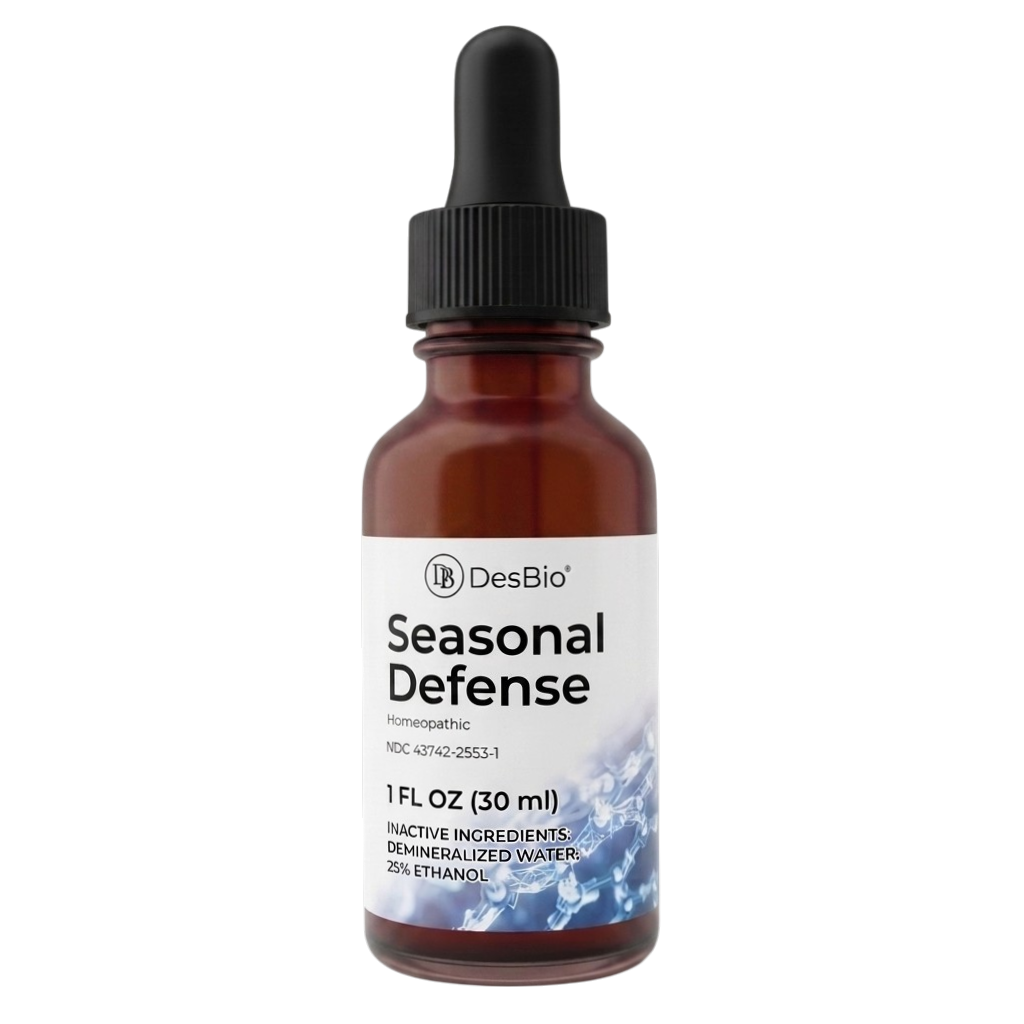
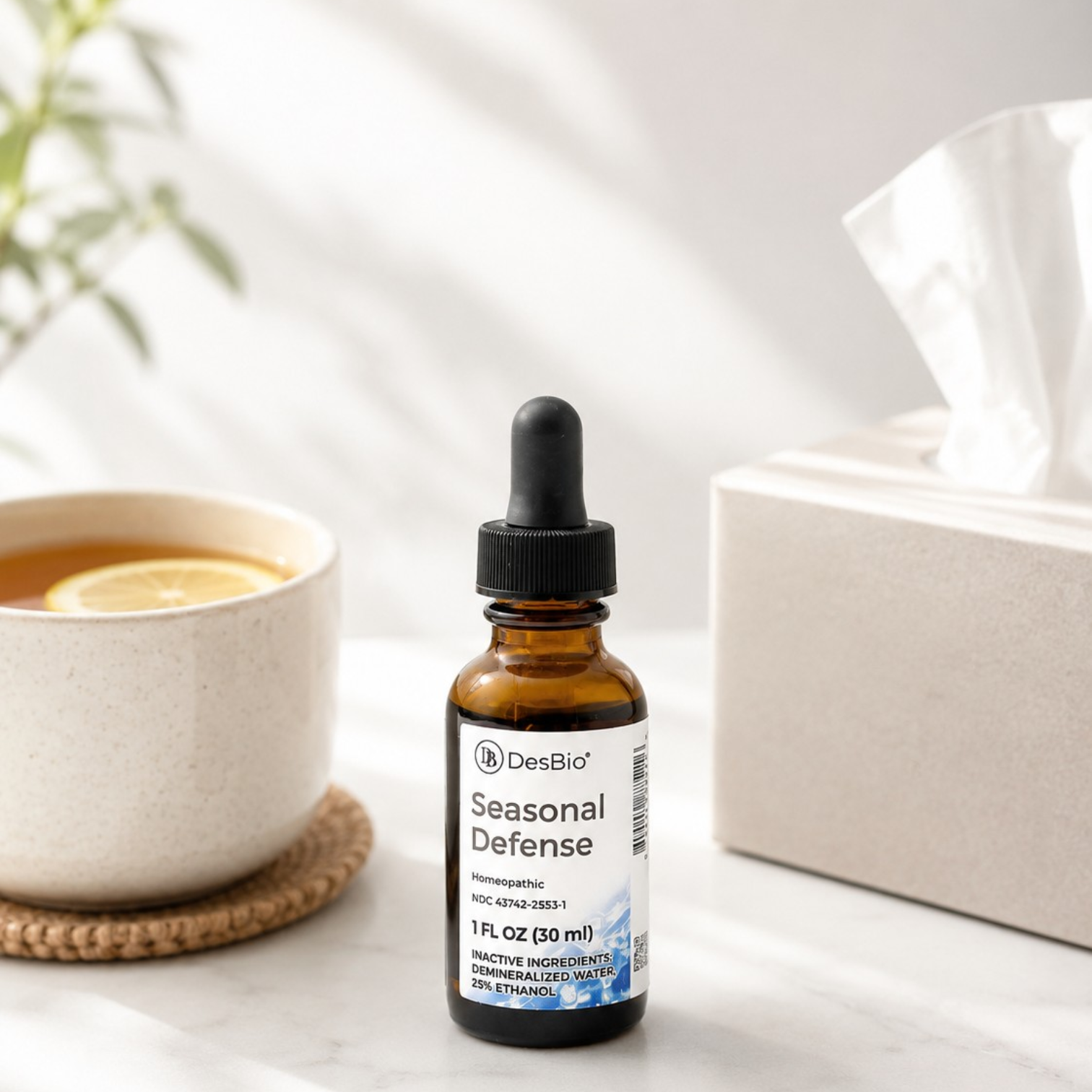
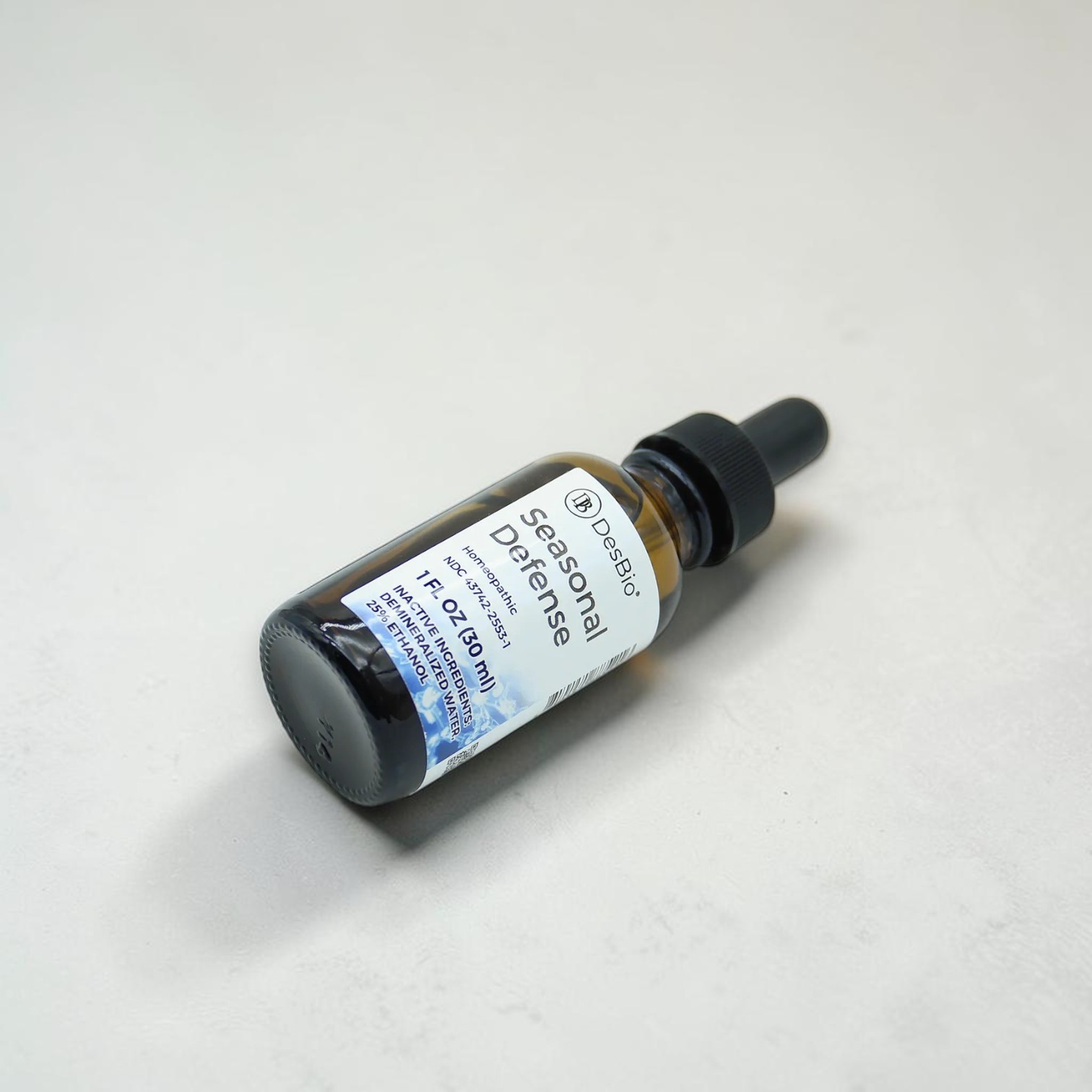
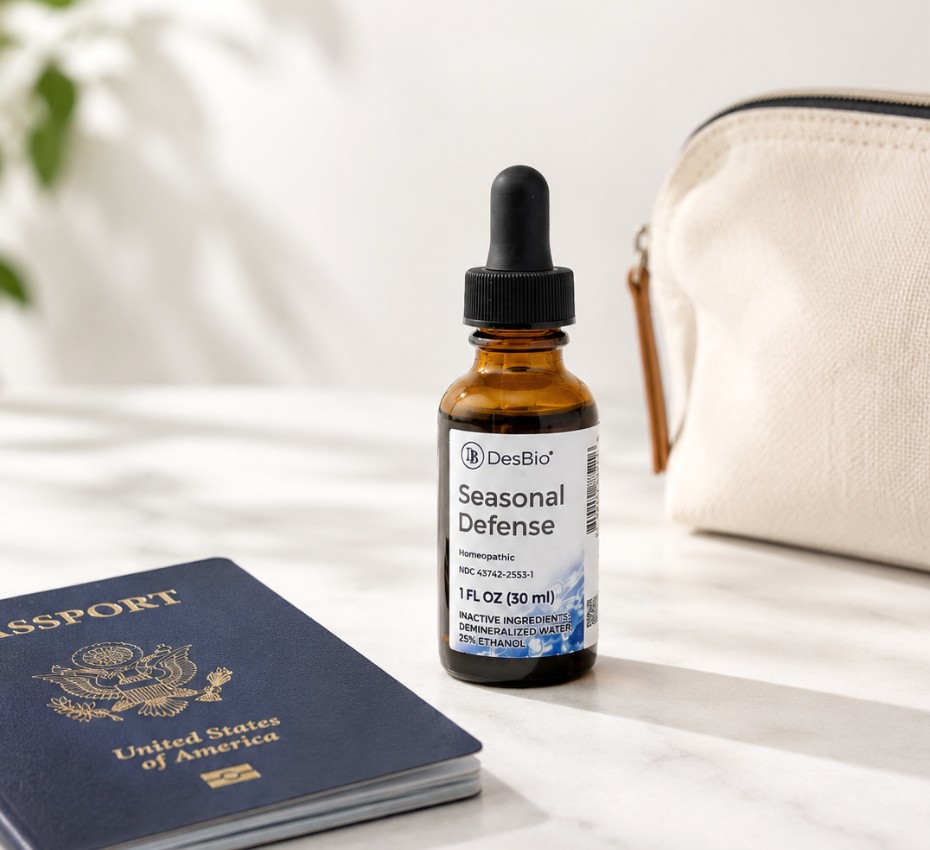
Seasonal Defense
A Multi-Nosode Strategy for Modern Seasonal Respiratory Exposure
$43.89 — or subscribe and save 5%
Pre-orders must be placed individually. Your existing cart will be available after you place pre-order.
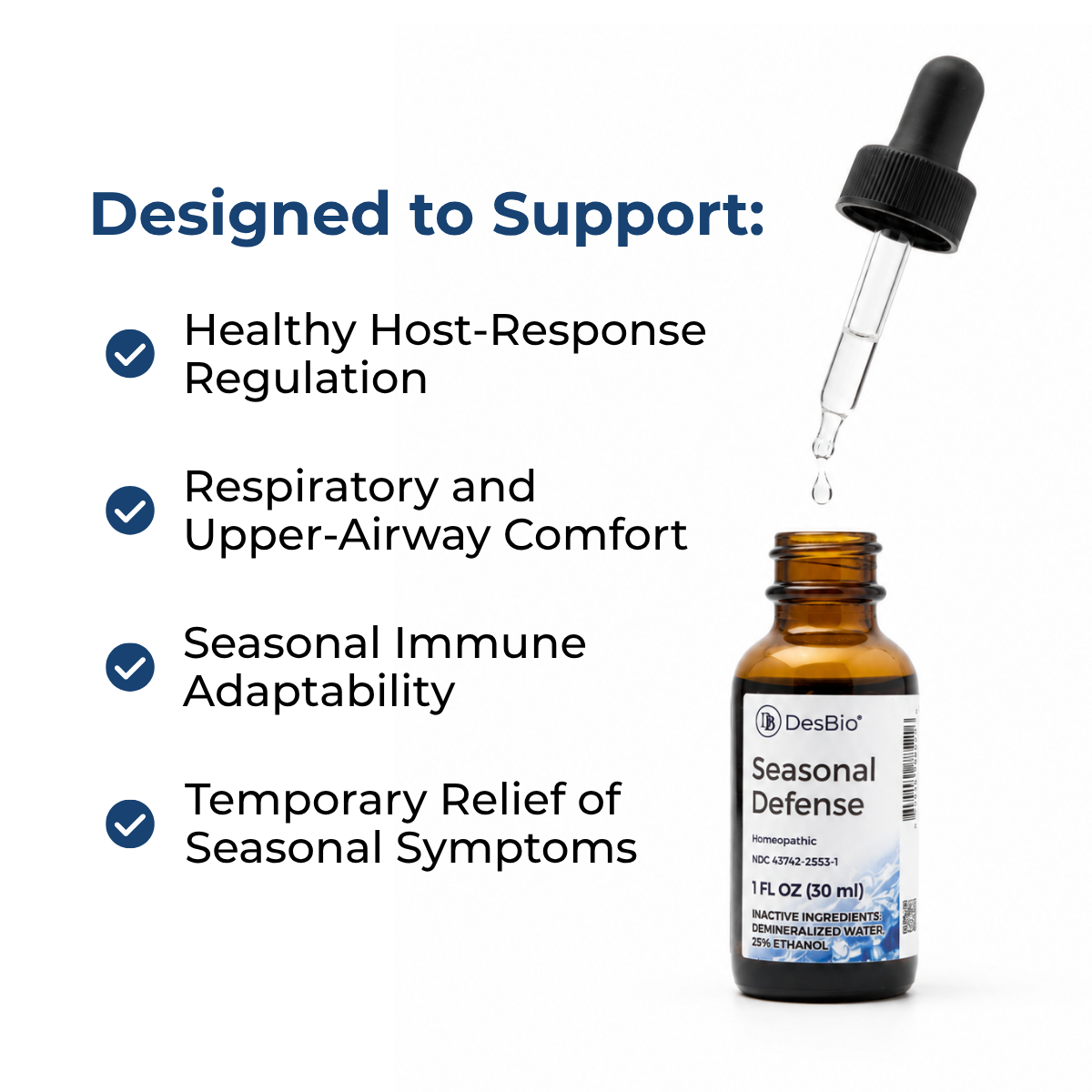
Supports
- Seasonal immune adaptability
- Healthy host-response regulation
- Respiratory and upper-airway comfort
- Temporary relief of common seasonal symptoms
Login to purchase or request recommendation.
If you do not have a DesBio practitioner, click here.
- Influenzinum 12X, 30X, 60X, 120X, 200X
- Rhinovirus 12X, 30X, 60X, 120X, 200X
- RNA (3 parts) 12X, 30X, 60X, 120X, 200X
- SARS-CoV-2 virus 12X, 30X, 60X, 120X, 200X
- Demineralized Water
- 25% Ethanol
- Dosage: 1-10 drops under the tongue, 3 times a day, or as directed by a health professional.
- Consult a physician for use in children under 12 years of age.
Seasonal Defense: A Broader Homeopathic Strategy
Rather than treating every seasonal illness as an isolated event, Seasonal Defense combines homeopathic preparations of Influenzinum, Rhinovirus, RNA, and SARS-CoV-2 virus across multiple potencies for practitioner-directed use during high-risk seasonal windows.
Common Seasonal Symptoms
- Cough
- Sore Throat
- Runny Nose
- Chills
- Fever
- Fatigue
→ Broad support for patients navigating a changing respiratory viral environment.
The Clinical Burden of Seasonal Respiratory Illness
Seasonal Illness Is Not a Single-Pathogen Problem
Respiratory symptoms encountered in practice may be associated with influenza viruses, rhinoviruses, coronaviruses, RSV, and other circulating respiratory pathogens. These infections often produce overlapping clinical presentations, making symptom-based differentiation difficult without testing.
Cold and influenza syndromes commonly include cough, sore throat, nasal discharge or congestion, fever or chills, body aches, headache, and fatigue. CDC notes that cold and flu symptoms can overlap substantially, although influenza generally produces more abrupt and intense systemic symptoms.


The burden is clinically meaningful
Adults in the United States experience an average of two to three colds annually, while children commonly experience more. Colds are also a frequent cause of missed school and work.
Between the 2010–2011 and 2024–2025 seasons, CDC estimates that influenza caused between 9.4 million and 51 million illnesses per year in the United States. Annual influenza-associated hospitalizations ranged from approximately 120,000 to 710,000.
The 2024–2025 season alone was estimated to have caused 51 million influenza illnesses, 23 million medical visits, 710,000 hospitalizations, and 45,000 deaths.
Children are more likely than older adults to develop symptomatic influenza infection. Millions of children become ill with influenza each year, with thousands requiring hospitalization.
Influenza activity typically peaks between December and February, while rhinoviruses circulate throughout the year and commonly peak in spring and late summer or fall. COVID-19 and other respiratory viruses may produce additional seasonal or regional waves.
→ The practical challenge is not simply supporting one "cold and flu season." It is helping patients navigate recurring, overlapping exposure cycles throughout the year.

Why Nosodes?
A Specialized Homeopathic Approach to Biological Exposure Patterns
Nosodes are homeopathic preparations traditionally derived from pathological or disease-associated biological material and manufactured through serial dilution and succussion. All DesBio nosodes are killed and sterilized before homeopathic manufacturing.
Practitioners incorporate nosodes as highly diluted homeopathic preparations intended to support the body's adaptive and regulatory response to recognizable biological patterns.
This makes nosodes particularly relevant when the clinical objective is broader than simply "stimulating immunity."
The practitioner may instead be seeking to support:
- Host adaptability during anticipated exposure
- Balanced symptom expression
- Support for recurring seasonal patterns
- Respiratory-system regulation
- A patient's overall responsiveness to a changing viral environment
Formula Architecture
Multiple Biological Preparations Across Multiple Potencies
Seasonal Defense combines homeopathically prepared respiratory components to provide a broader informational profile than a single-agent seasonal formula.

Influenzinum
A traditional homeopathic nosode prepared from influenza-related material.
Practitioners may incorporate Influenzinum when the clinical picture includes:
- Abrupt seasonal symptom onset
- Fever or chills
- Generalized fatigue
- Cough or throat discomfort
- Influenza-like constitutional patterns

Rhinovirus
A homeopathic preparation associated with one of the most common causes of upper-respiratory infection. Rhinoviruses circulate throughout the year and often peak during spring and late summer or fall. They are frequently associated with nasal discharge, congestion, throat irritation, cough, and upper-airway discomfort.
Practitioner-directed support may focus on:
- Nasal and sinus symptom patterns
- Upper-airway irritation
- Early cold-like presentations
- Recurrent exposure in children or families
- Seasonal respiratory susceptibility

SARS-CoV-2 Virus
A homeopathic biological preparation included to reflect the modern respiratory exposure environment.

RNA — Three Parts
Homeopathically prepared RNA components broaden the informational architecture of the formula. Within the formulation, RNA is included to complement the virus-specific nosodes and provide additional support for the body's adaptive response to RNA-virus-associated biological stress patterns.

What Makes Seasonal Defense Different?
Not a Generic Immune-Stimulation Formula
Many seasonal formulas rely exclusively on vitamin C, zinc, elderberry, echinacea, or other nutritional and botanical ingredients. Those products may provide valuable foundational immune support, but they approach the problem primarily through nutrient sufficiency or immune activation.
Seasonal Defense occupies a different clinical category.
It provides:
Top Clinical Benefits

Supports the body's adaptive response during seasonal respiratory exposure.

Supports healthy immune regulation without functioning as a conventional immune stimulant.

Provides homeopathic support across influenza-like, rhinovirus-associated, and contemporary coronavirus-associated symptom patterns.

Helps temporarily relieve cough, sore throat, runny nose, chills, fatigue, and fever.

Offers a practical option for active-exposure and early-symptom protocols.

Integrates easily with nutritional, botanical, drainage, and constitutional support.

Provides one multi-component formula for recurring school, travel, holiday, and winter exposure cycles.
The Practitioner Exposure Model
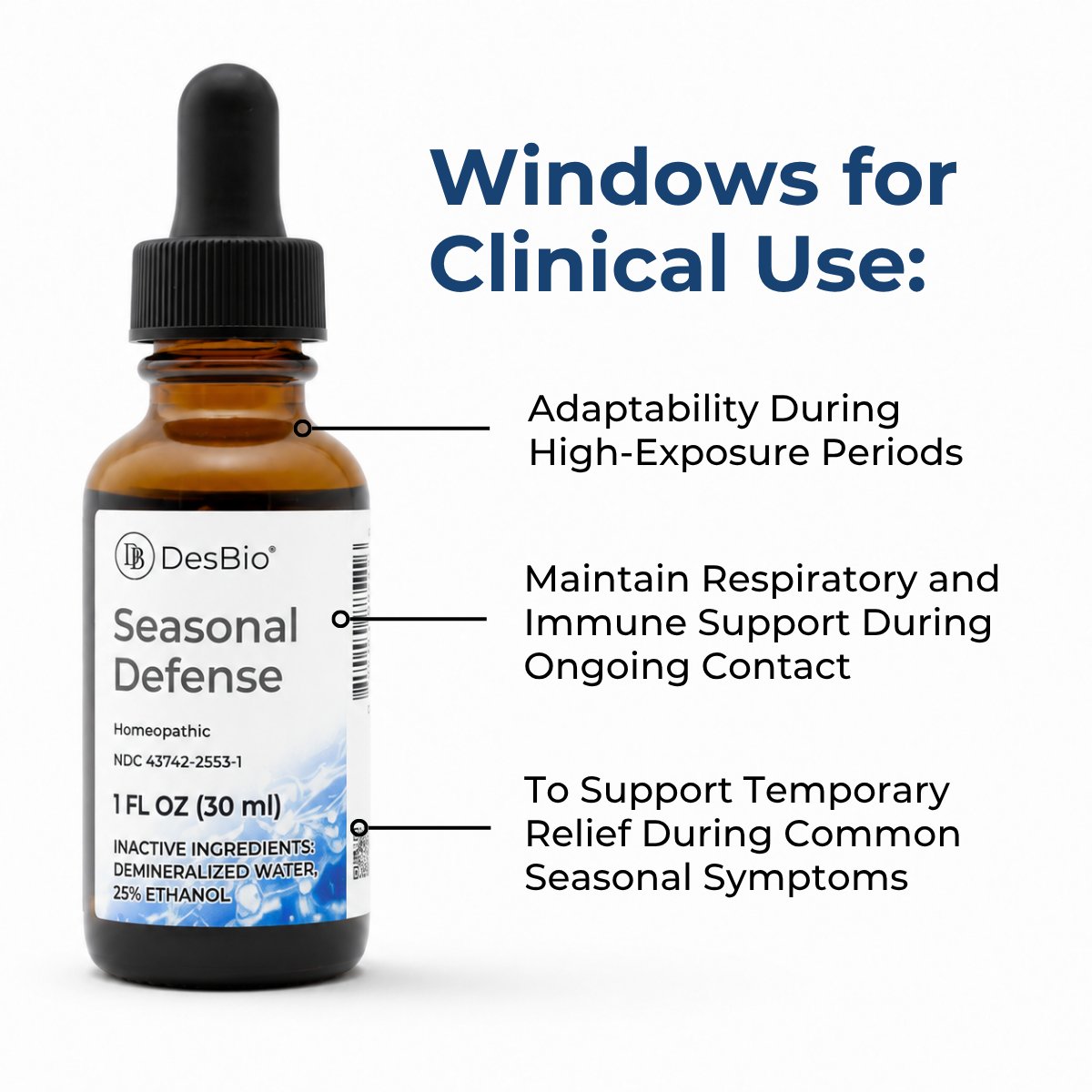
Three Windows for Clinical Use
Rather than positioning Seasonal Defense only as something patients reach for once they feel sick, practitioners can evaluate it across three distinct clinical windows.
Anticipated Exposure
Support seasonal adaptability during a predictable high-exposure period.
Typical Patient Context
School return, travel, conferences, holidays, household exposure.
Active Exposure
Maintain respiratory and immune support during ongoing contact.
Typical Patient Context
Classroom outbreaks, ill family member, frequent travel, workplace exposure.
Early Symptom Expression
Support temporary relief of common seasonal symptoms.
Typical Patient Context
Early cough, throat irritation, rhinorrhea, chills, fatigue, feverishness.
This framing is more clinically useful than simply dividing patients into "sick" and "not sick."
Common Exposure Scenarios

Back-to-School

Holiday and Gathering Support

Travel & Large Events
Who It's For
Seasonal Defense may be appropriate for practitioner evaluation when patients meet one or more of the following criteria.
- Experience recurrent colds or influenza-like symptom patterns during seasonal transitions.
- Become symptomatic each year shortly after school resumes.
- Work in schools, healthcare, hospitality, transportation, or other high-contact settings.
- Travel frequently or regularly develop respiratory complaints after travel.
- Live with children or other household members who experience frequent viral exposure.
- Want additional homeopathic support during fall and winter.
- Present at the earliest stage of cough, rhinorrhea, throat irritation, chills, fatigue, or feverishness.
- Need a homeopathic option that can complement—not replace—standard seasonal wellness measures.

These statements have not been evaluated by the Food and Drug Administration. This product is not intended to diagnose, treat, cure, or prevent any disease. Individual results may vary with dietary supplements and homeopathic remedies. For homeopathic products, statements are based upon traditional homeopathic practices.
Seasonal Defense
A Multi-Nosode Strategy for Modern Seasonal Respiratory Exposure
$43.89 — or subscribe and save 5%
Pre-orders must be placed individually. Your existing cart will be available after you place pre-order.
Login to purchase or request recommendation.
If you do not have a DesBio practitioner, click here.